I arrived at Palazzo dei Angeli not by road or rail, but by water – a private water taxi that cut through the milky-green waters of the Venetian Lagoon, past the familiar silhouette of St Mark's, past the tourist throngs of Murano, and into a labyrinth of marshland and forgotten islands that most visitors never see. The sky was the colour of oyster shell, heavy with the promise of a summer storm, and the air smelled of salt and brine and something older, something wild.
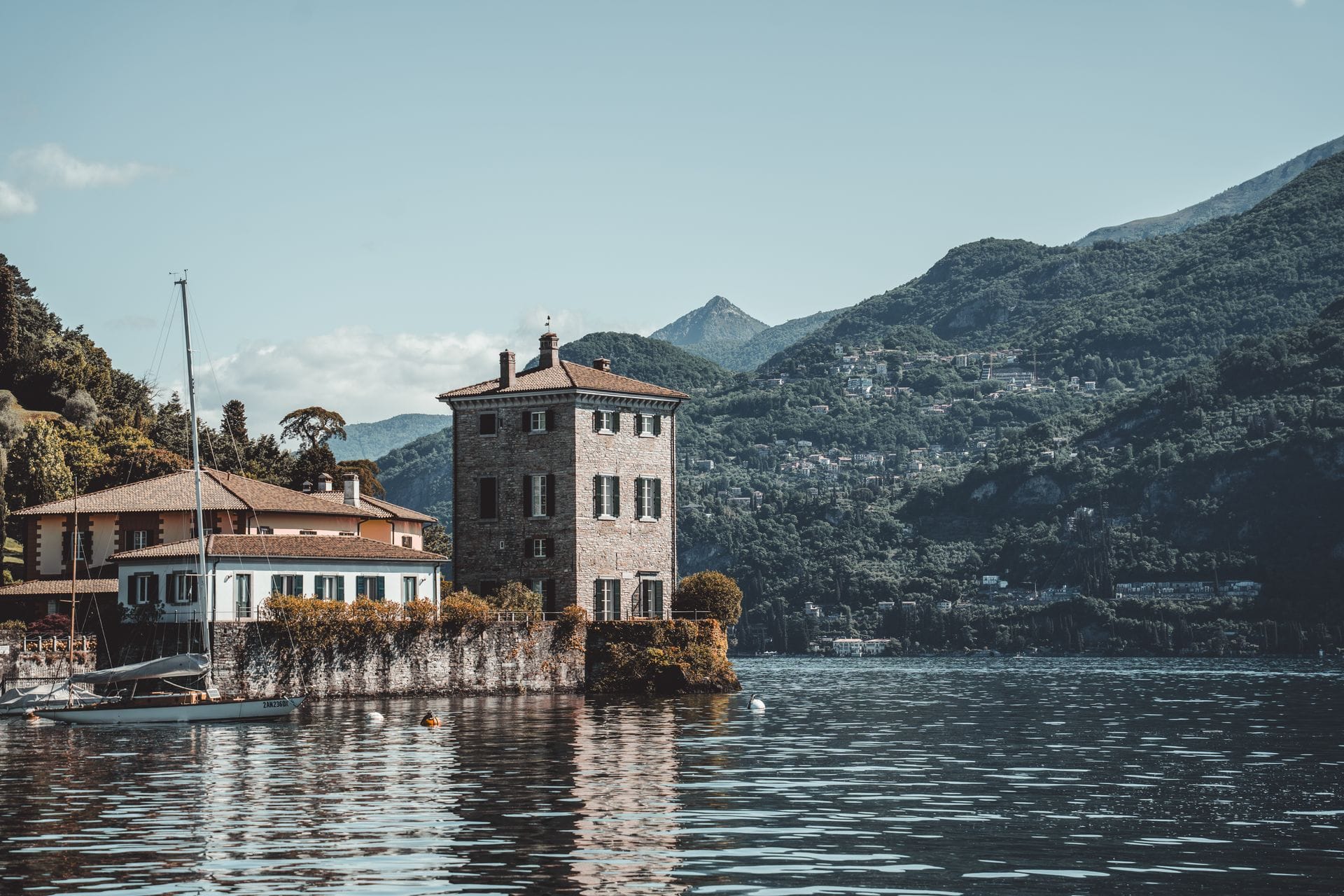
And then, there it was: a honey-coloured palazzo rising from the water, its Byzantine arches reflected in the still lagoon, its gardens a tangle of roses and wild rosemary. It was exactly as I had imagined it, and yet utterly unexpected.
The Weight of History
The Palazzo was built in 1520 by the Contarini family, one of Venice's most powerful dynasties, as a summer retreat – a place to escape the heat and politics of the city. For centuries, it hosted doges and poets, artists and ambassadors, its ballrooms filled with music, its gardens with whispered conversations and clandestine affairs.
But history is patient, and Venice is not. As the Republic fell and the world moved on, the Palazzo fell into a long, slow decline. The family retreated to the mainland, the gardens became a wilderness, and the frescoes – depicting scenes from Ovid's Metamorphoses – began to fade.
"When I first came here as a young man," says Ludovico Contarini, the current custodian, a man of impeccable manners and quiet melancholy, "the roof had collapsed in the east wing, and the gardens were a jungle. But I could still feel the presence of the past, the weight of all those lives that had passed through these rooms. I knew I had to stay."
And stay he did. Ludovico arrived in 1972, a reluctant heir with a degree in art history and little practical experience in restoration. But what he lacked in skill, he made up for in dedication.
"I began with the kitchen," he recalls, leading me through a labyrinth of corridors, past faded tapestries and marble busts, their noses worn smooth by centuries of touch. "It was the most practical place to start. My wife, Elena, and I lived in one room for two years while we worked. We had no electricity, no running water. But we had the lagoon, and we had the light. That was enough."
The Restoration: A Philosophy
Unlike the quick, commercial restorations you see elsewhere in Italy, the Contarinis' approach has been slow, painstaking, and deeply respectful. They have refused the easy path of modernisation, choosing instead to reveal the palazzo's layers, to honour its scars.
The Frescoes
In the Sala degli Angeli, the room from which the palazzo takes its name, the ceiling frescoes have been carefully stabilised, but not fully restored. The cracks remain, as do the patches of discolouration where water has seeped through the roof.
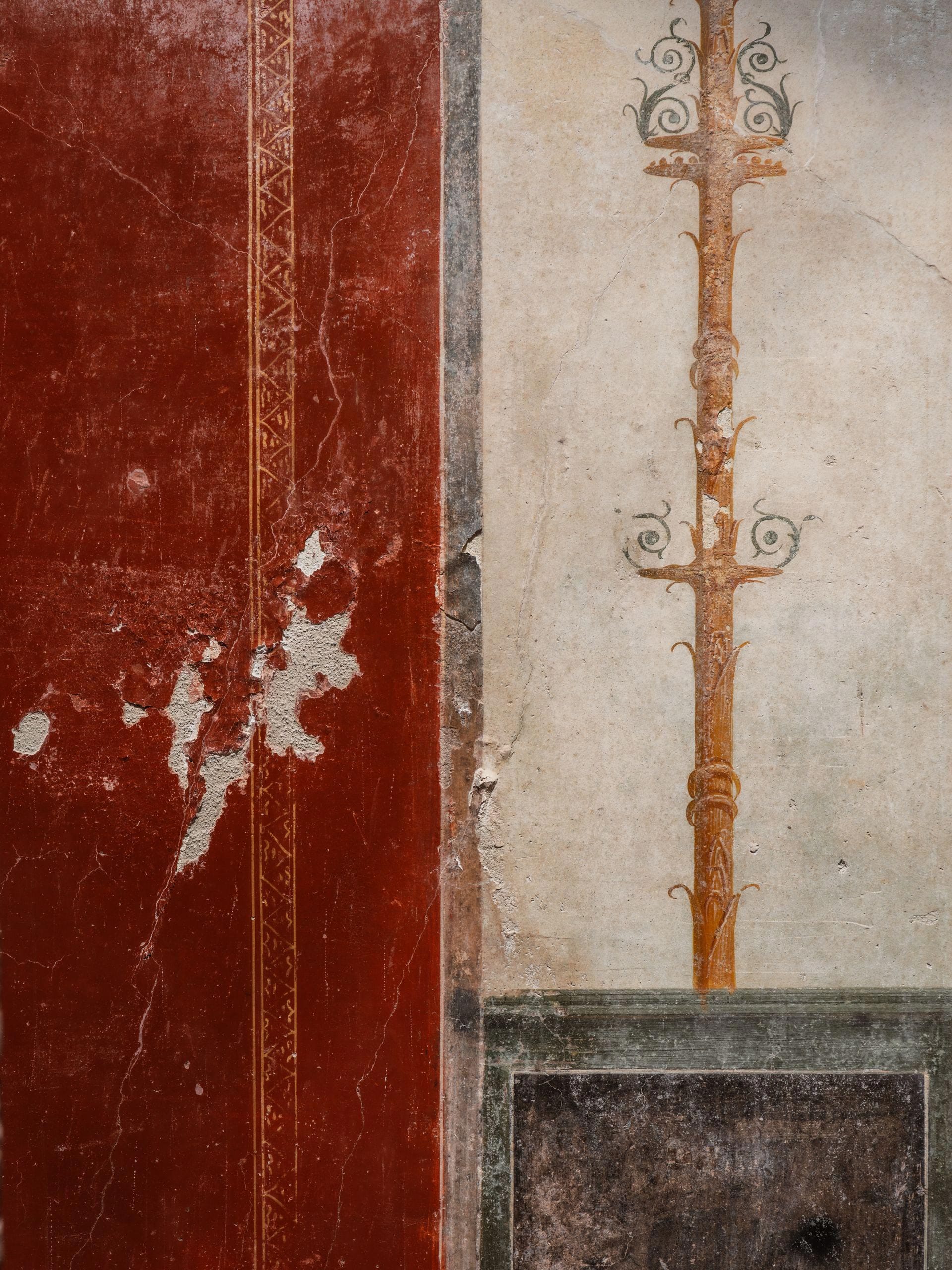
"These imperfections are part of its history," Ludovico explains. "To erase them would be to erase the lives that have passed through this room. We are not conservators in the traditional sense. We are more like archaeologists – we reveal, we protect, but we do not pretend that the past is pristine."
He points to a corner of the fresco where a cherub's face has been partially obscured by time. "That angel has been watching this room for five hundred years. He has seen love and loss, joy and despair. Why would I paint over his scars?"
The Garden
The gardens, too, reflect this philosophy. At first glance, they appear wild – a tangle of lavender, roses, rosemary, and wild fennel – but there is a method to the madness. Elena, who studied botany in Bologna, has spent forty years nurturing the garden, allowing it to evolve organically.
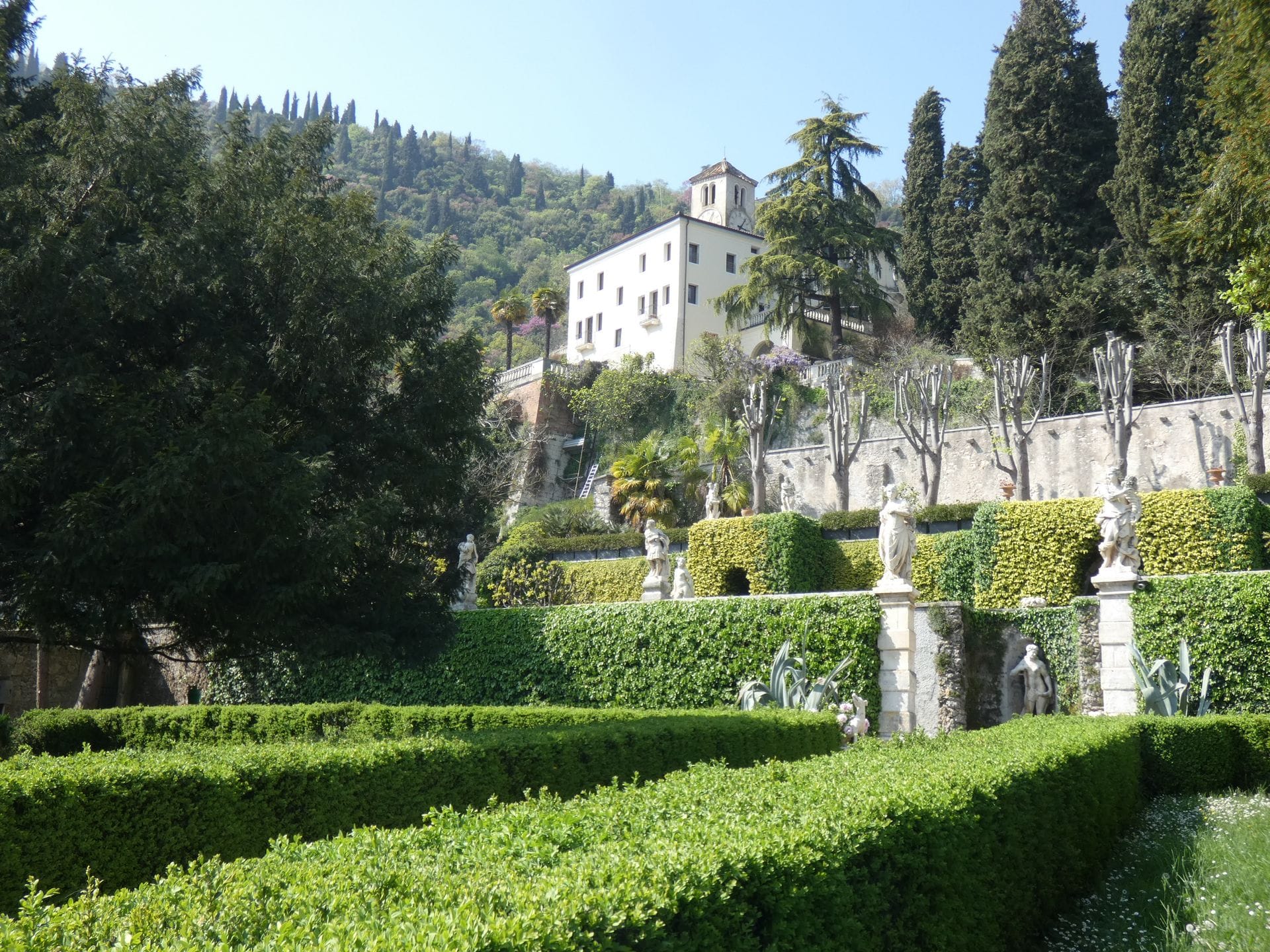
"The Venetians were masters of the cultivated wildness," she tells me, her hands still busy with a trowel and a basket of herbs. "They understood that nature is not something to be tamed, but to be spoken to. I try to listen. If a plant wants to grow, it will find a way. My role is simply to encourage."
She has introduced plants that would have been familiar to the original gardeners: roses from Persia, irises from the Orient, and the bitter citrus that once perfumed Venetian palazzos. The result is a garden that feels both ancient and alive, a continuation of centuries of cultivation.
The Palazzo Today
In 2005, Ludovico and Elena made a decision that would change the palazzo's future. With the cost of upkeep ever-increasing, they opened four of the palazzo's twenty rooms to paying guests.
"It was not an easy decision," Ludovico admits. "We are private people, and the palazzo has always been a sanctuary. But we realised that the palazzo had a responsibility to the world. It had survived so much; it deserved to be seen, to be experienced."
The rooms, when I see them, are spare but exquisite – four-poster beds with Venetian damask, windows that open directly onto the lagoon, and, in each room, a small desk and chair, placed to catch the light. There is no television, no telephone, no minibar. There is only the sound of the water, the cry of the seagulls, and the distant bell of a campanile.
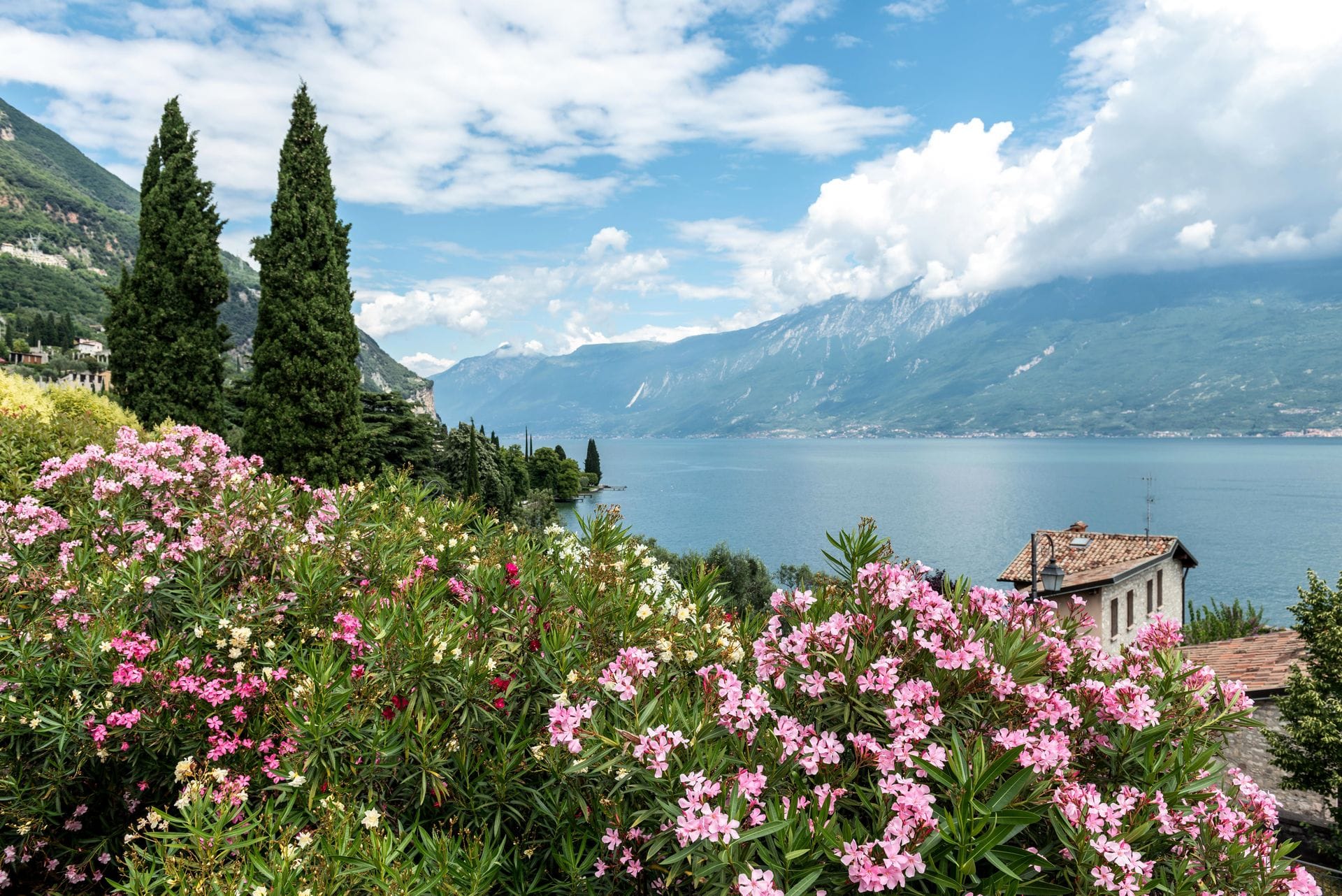
"Guests often tell me that they feel as though they have stepped back in time," says Elena. "We do not provide entertainment. We provide the space for guests to entertain themselves – to read, to write, to think, to watch the light change on the water."
A Cultural Retreat
The Contarinis have also established the Fondazione Palazzo dei Angeli, which brings writers, artists, and musicians to the palazzo for residencies of up to three months. Each year, a small group of creatives are invited to work in the palazzo's studios, drawing inspiration from the building and its landscape.
"A poet came last spring," says Ludovico. "She had been suffering from writer's block for almost a year. She spent her days walking the garden, sitting by the water, watching the clouds. She said the rhythm of the lagoon – the ebb and flow of the tides – taught her something about the rhythm of language. When she left, she had written fifty pages of a new collection."
The Enduring Spirit of a Fading World
As I prepare to leave, Ludovico leads me to the rooftop terrace, from which the entirety of the lagoon unfolds like a painted map. Venice herself is a smudge on the horizon, and the islands of Torcello and Burano float like lily pads in the fading light.
"People often ask me if I worry about the palazzo's future," he says, his voice soft but steady. "The sea is rising. The foundations are ancient. One day, perhaps, the palazzo will return to the water. But that is the nature of Venice – she teaches us that nothing is permanent, and everything is precious."
He places a hand on the warm stone of the balustrade. "For now, we are here. And for as long as we are here, we will care for this place with all that we have. It is not a duty. It is a privilege."
I take one last look across the lagoon. The palazzo stands as it has for five centuries – weathered but unbowed, a testament to resilience and devotion. It does not offer the comforts of the modern world. It offers something far rarer: the possibility of a life lived more slowly, more deeply, and in conversation with the past.