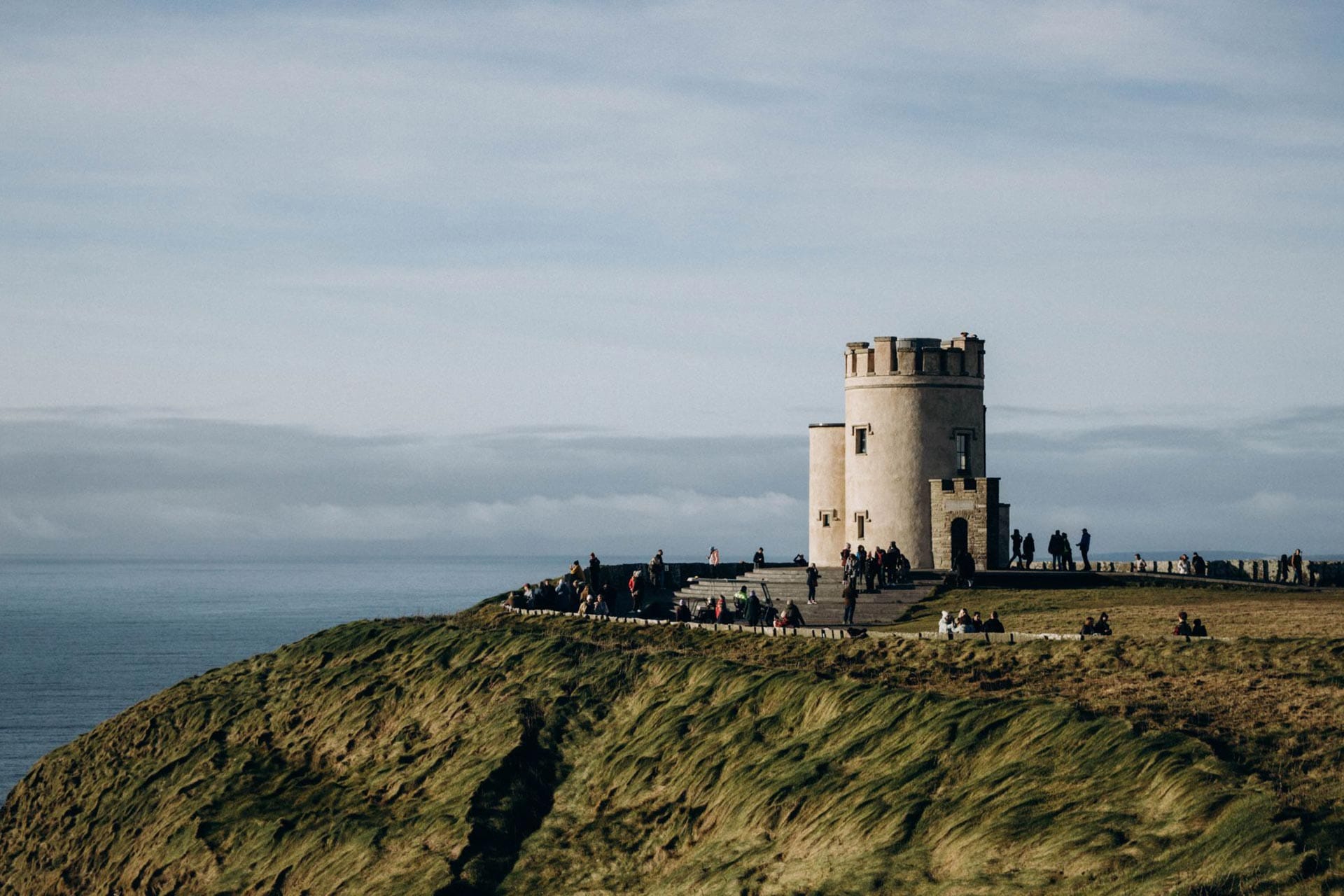
I discovered Cnocán an Fhairrge on a rain-lashed Tuesday afternoon, spiralling down ever-narrowing boreens with names I couldn't pronounce, my rental car's wing mirrors brushing against fuchsia-laden hedgerows. The satnav had given up somewhere outside Doolin, and I was relying on the kind of instinct that usually leads me to a dead end. Instead, I found a gateway – iron, rusted in places, yet undeniably grand – and beyond it, a tower hewn from grey limestone, rising from the very rock as if it had been there since the earth remembered how to breathe.
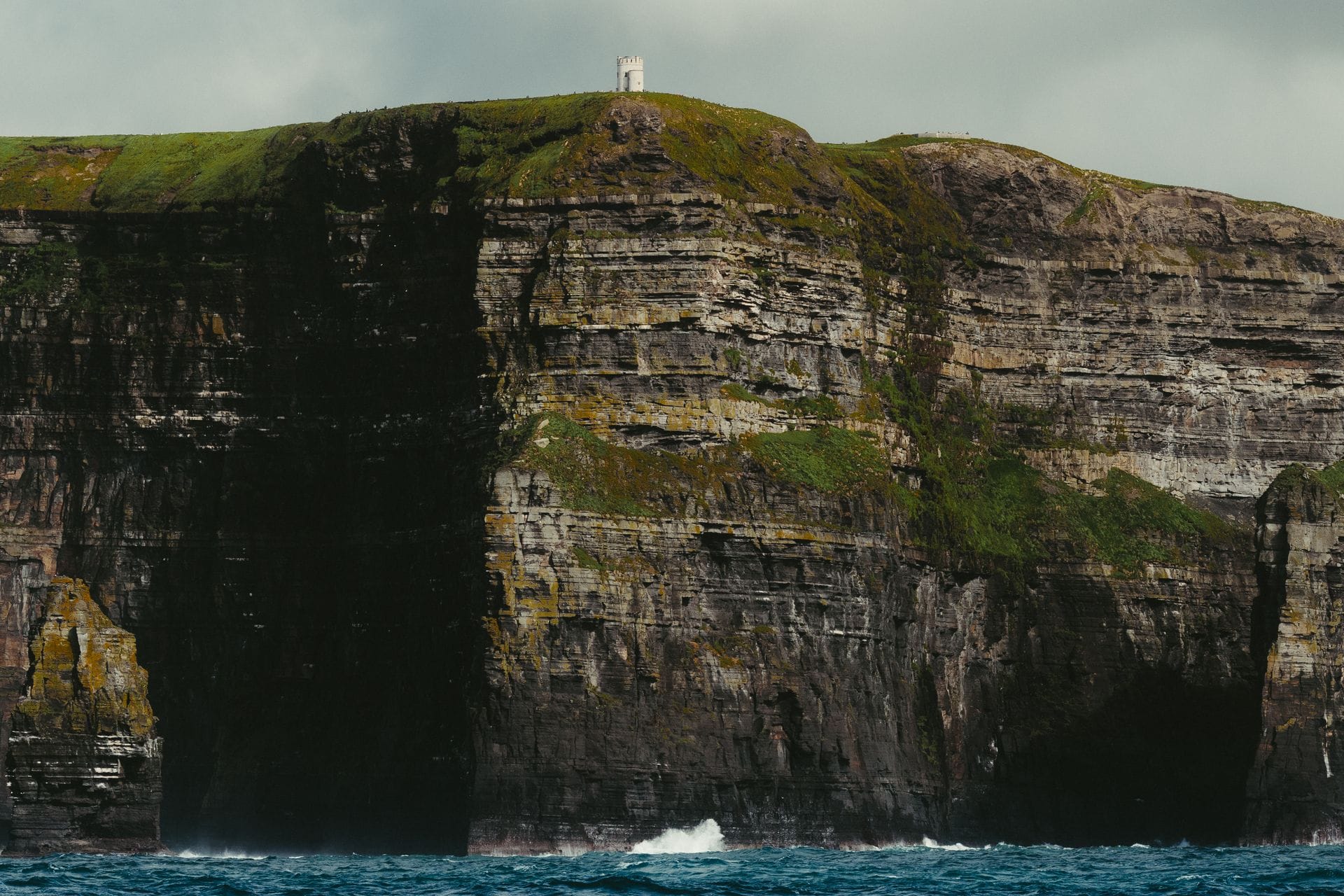
The wind was biblical. It howled up from the Atlantic, carrying salt and the distant cry of gannets. I pulled my collar tight and stepped through the gate, feeling, for a moment, as though I had crossed a threshold not just of place, but of time.
I was greeted not by a reception desk but by an open door and the scent of woodsmoke. Inside, the tower was unexpectedly warm. Thick stone walls, whitewashed and worn smooth by centuries, held the heat from a roaring turf fire. There was no electricity in the traditional sense – a tangle of copper wires and carefully placed candles provided light, their glow catching the spines of leather-bound books and the gleam of a brass telescope aimed at the horizon.
This was the world of the O'Malleys. The family have been the guardians of this watchtower since 1892, when Great-Grandfather Seamus O'Malley – a fisherman with a taste for solitude – purchased it from the British Crown for a sum that would scarcely buy a round of drinks today. 'He saw something in the isolation,' says Aoife O'Malley, the current custodian, a woman with sea-grey eyes and a quiet, unhurried manner.
The tower had been abandoned for decades. No roof, no floors, just the walls and the memory of the men who once watched for Spanish ships from up there.
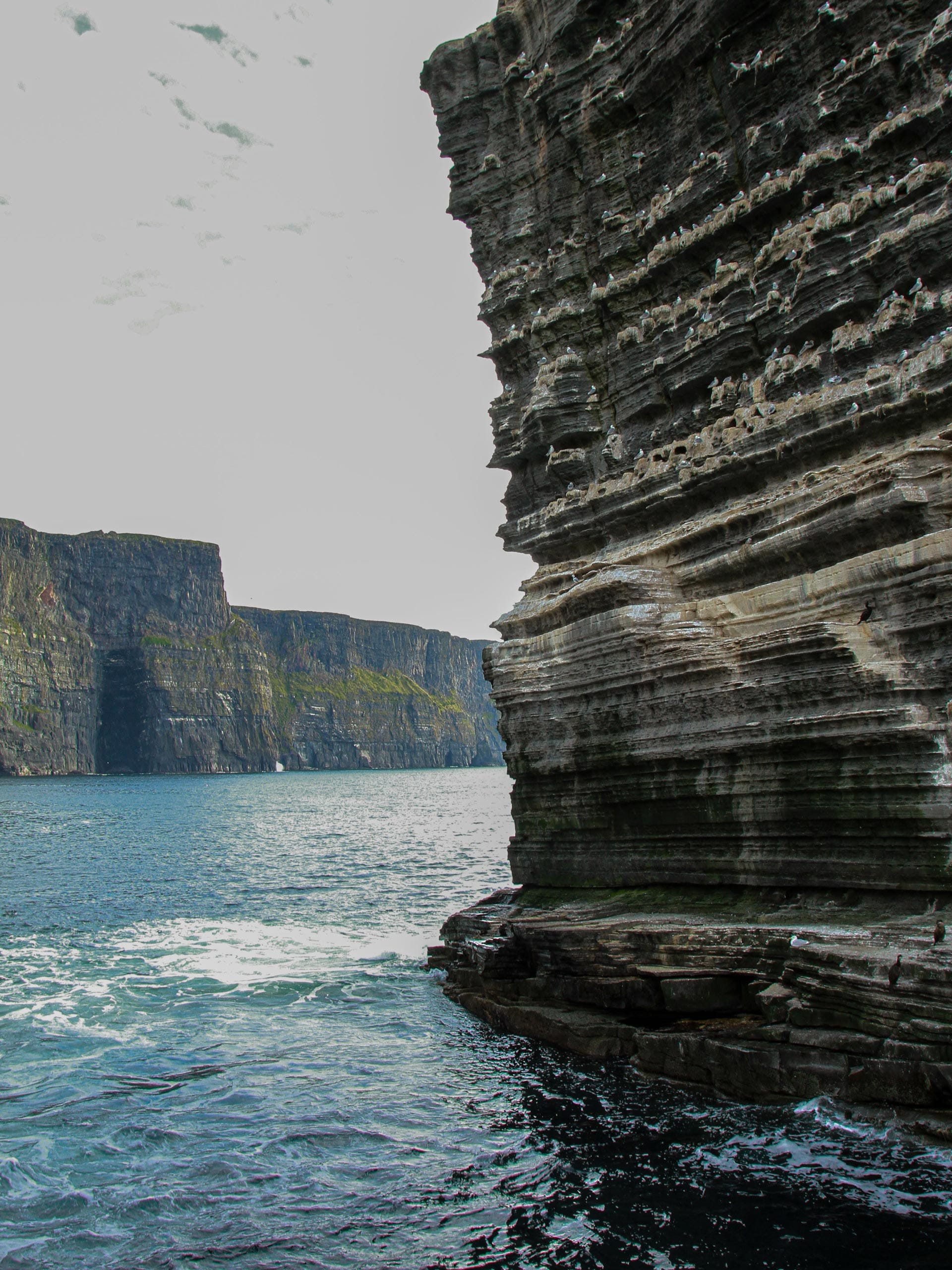
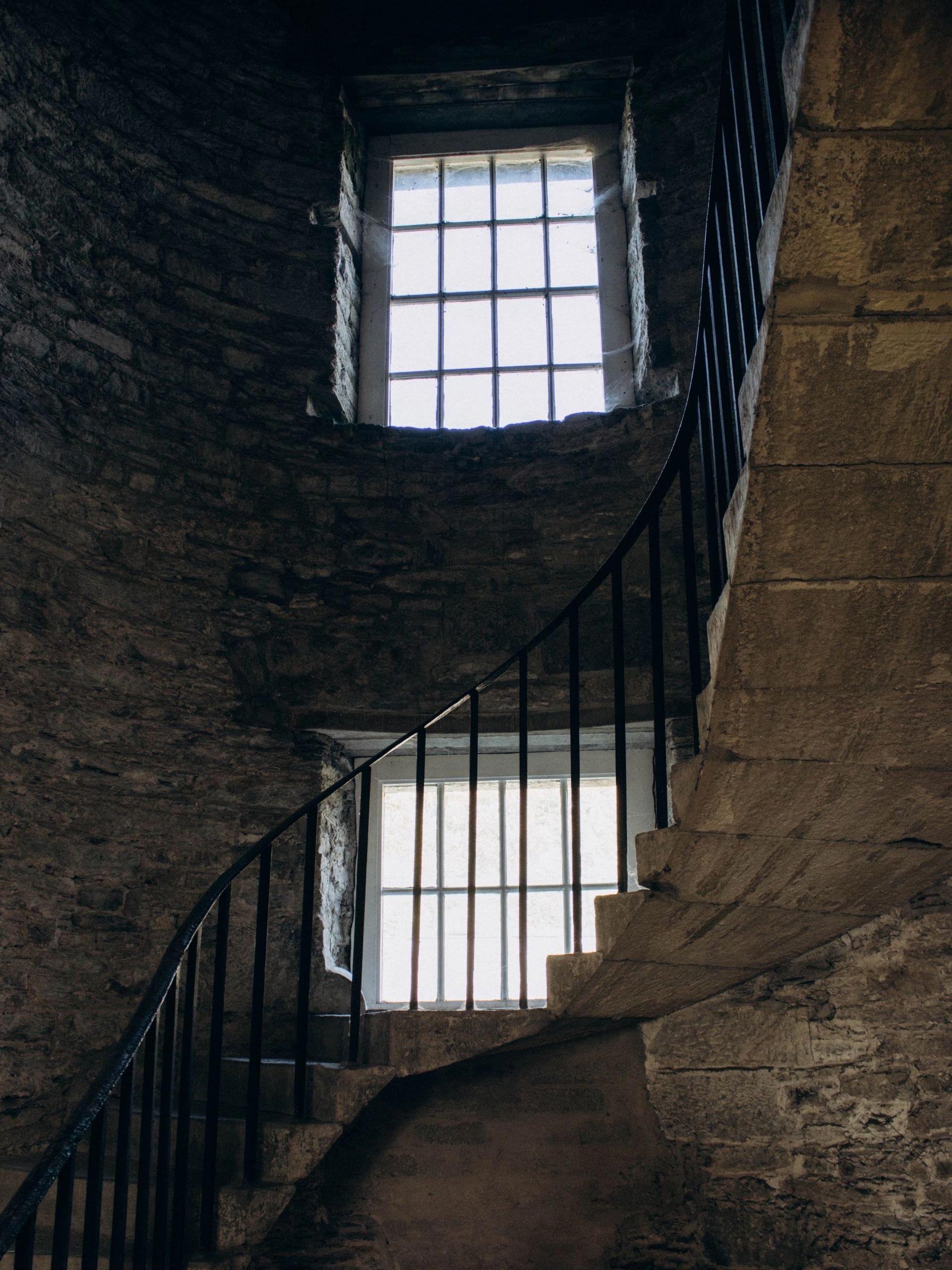
I climbed the worn stone staircase to the top of the tower, each step a reminder of the centuries of boot prints that had gone before. At the summit, the view was elemental – a roiling grey sea, the jagged outline of the Aran Islands on the horizon, and the sky, immense and ever-changing, bruised with the promise of another squall. It was the kind of view that made you feel both insignificant and profoundly alive.
'My father, Liam, was the first to bring proper light up here,' Aoife tells me, joining me at the parapet. 'He was a stonemason, a man of few words, but he understood the bones of this place. He and my mother, Brigid, spent twenty years restoring the tower, room by room, using the same methods the original builders would have used. No cement. Just lime mortar and the local stone.'
The restoration is a slow, almost archaeological process. In the lower rooms, you can see the layers of history – a medieval hearth, a Victorian fireplace, the faint outline of a 19th-century military map on the plaster. The O'Malley philosophy, it seems, is to reveal rather than impose. They have added only what was necessary – a wood-fired stove, a handful of carefully chosen furniture, a bed that looks out to sea – and removed what was not.
'We don't want to modernise,' Aoife says, 'we want to complement. There's a difference. A modern kitchen would be an intrusion. A simple iron pot over the fire, a stone sink – those things belong here.'
We realised that the isolation, the silence, the light – these were gifts we could offer
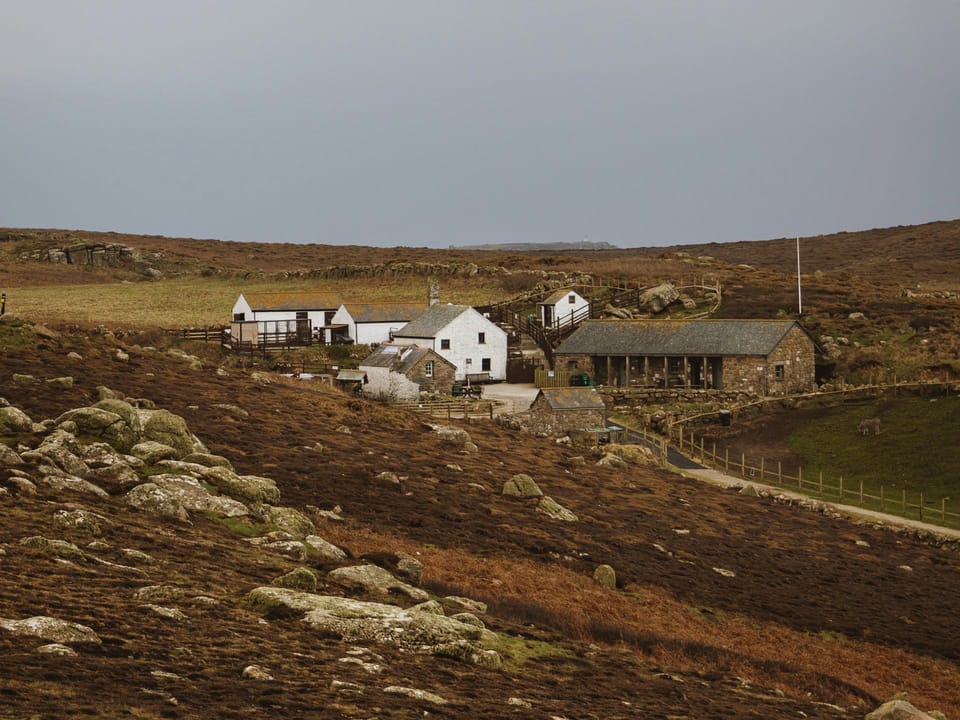
In 2015, Aoife and her brother Cillian made the decision to share their solitude. The tower's outbuildings – a former stable, a gardener's cottage, and a small hermit's cell cut into the cliff – were converted into studios for visiting artists, writers, and musicians. The project was born of necessity – the upkeep of the tower was becoming costly – but it quickly became something far more meaningful.
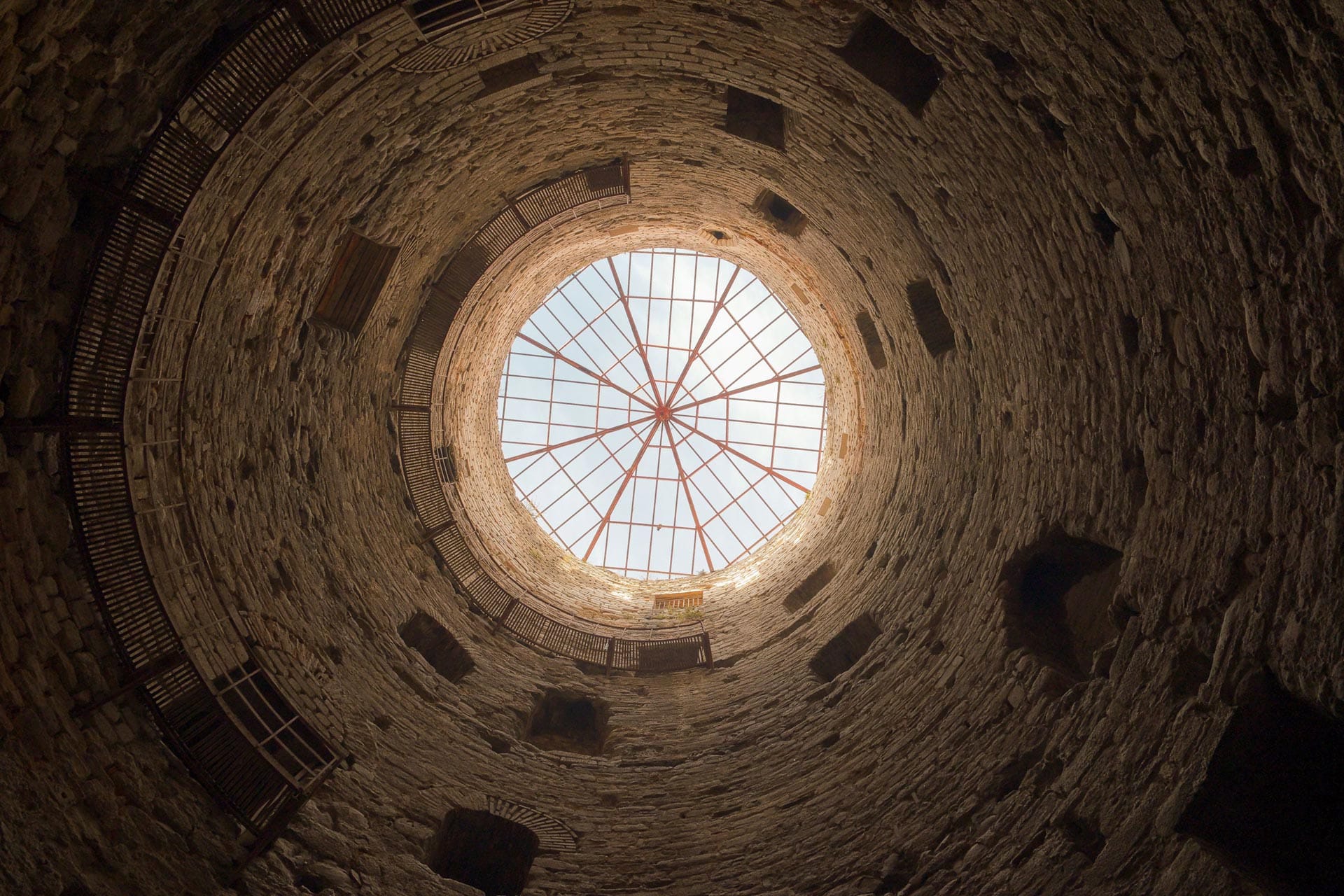
'We realised that the isolation, the silence, the light – these were gifts we could offer,' says Cillian, who lives year-round in a cottage at the base of the cliffs. 'Creatives crave that. They come here to escape the noise of the world, to hear themselves think.'
The residency programme is deliberately small. No more than three guests at a time, each staying for a minimum of two weeks. There is no Wi-Fi. The mobile signal is a distant memory. Instead, there are peat fires, a walled garden that produces a surprising amount of vegetables despite the salt-laden winds, and the relentless, hypnotic crash of the Atlantic.
'A writer came last autumn,' Aoife recalls. 'She told me she'd been struggling with her novel for years. She had a deadline looming, a publisher breathing down her neck. On the first day here, she sat at the desk in the hermit's cell, looking out at the sea, and couldn't write a word. The silence was too loud, she said. On the second day, she wrote a paragraph. By the end of the second week, she'd written a hundred pages. She said the tower taught her to be patient.'
The tower has also become a repository for the O'Malley family's own creative legacy. The walls of the main hall are hung with a remarkable collection of paintings, the work of Cillian's mother, Brigid, a celebrated painter of the Connemara landscape. Her canvases – bold, impressionistic swathes of colour – capture the same wildness that surrounds the tower. A collection of her sketches, botanical drawings, and watercolours are carefully archived in a room that doubles as a small library and reading room, open to those who know to ask.
In the crypt beneath the tower, I discover the original family archives: letters, maritime records, and a series of journals kept by the first Seamus O'Malley, detailing the weather and the ships that passed, decade after decade. The entries are sparse but evocative. 'January 18th, 1896,' reads one entry in a neat, faded hand. 'Gale from the west. The sea at the foot of the cliff is white. No ships sighted. A day for sleeping by the fire.'
Today, Cnocán an Fhairrge is far from the abandoned ruin Seamus first purchased. The gardens, which had been reduced to wind-blasted scrub, have been nurtured back to life – a triumph of perseverance and horticultural knowledge. 'My mother spent thirty years coaxing plants to grow here,' says Aoife. 'She imported soil from the mainland, built stone walls to shelter the beds. She'd bring a bucket of water up from the well every morning, rain or shine. It was her life's work.'
The gardens are structured in layers, each one a little more sheltered than the last. Close to the tower, a fragrant knot garden of rosemary, lavender, and thrift gives way to a walled orchard of hardy apple trees, and beyond that, a path leads down to a tiny cove, accessible only at low tide. 'We grow enough for ourselves – potatoes, herbs, onions, some kale,' says Cillian. 'Everything else comes from the island. We try to be self-sufficient, but we're not purists. We like a good bottle of wine and a bar of dark chocolate now and then.'
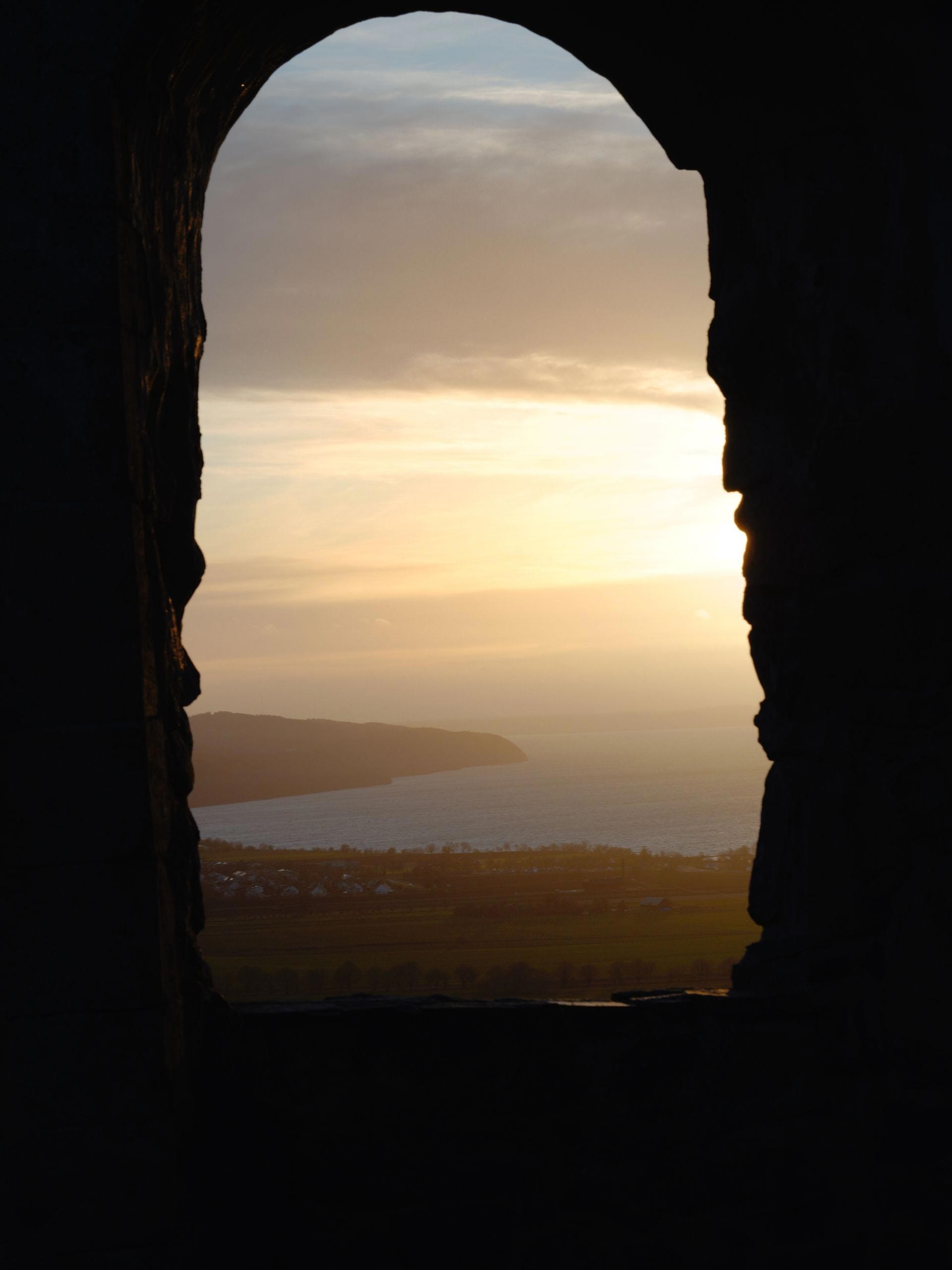
What strikes me most as I prepare to leave is the silence. Not the absence of sound – the wind and sea are constant companions – but the absence of distraction. There's no hum of a refrigerator, no ping of a notification, no distant traffic. There's just the rhythm of the day, measured by the light and the tides.
'People often ask me if I feel lonely here,' says Aoife, as she sees me to the gate. 'But loneliness is a state of mind, not a condition of place. When you're surrounded by this much beauty, by the history of this tower and the resilience of the people who built it, you're never truly alone. You're part of something bigger.'
I take one last look back. The tower sits against the sky, its windows dark, its walls lit by the low sun. It doesn't invite the world in; it simply exists, patient and enduring. And yet, for those who find their way to its door, it offers something priceless: a space to pause, to breathe, and to remember what it feels like to live in the moment, suspended between land and sea, between the past and the possibility of the future.