I found Tregowan not on any map worth trusting, but through the kind of word-of-mouth that feels almost medieval – a recommendation passed from a bookseller in Penzance to a potter in St Ives, from the potter to a fisherman who pointed vaguely towards the moor and said, "Follow the stone walls until they stop."
The road, if it could be called such, was a ribbon of mud and granite, flanked by mossy hedgerows that seemed to swallow the light. The sky was low and grey, the kind of sky that makes the Cornish landscape feel both ancient and eternal, as though the land had been waiting, patient, since before memory began.
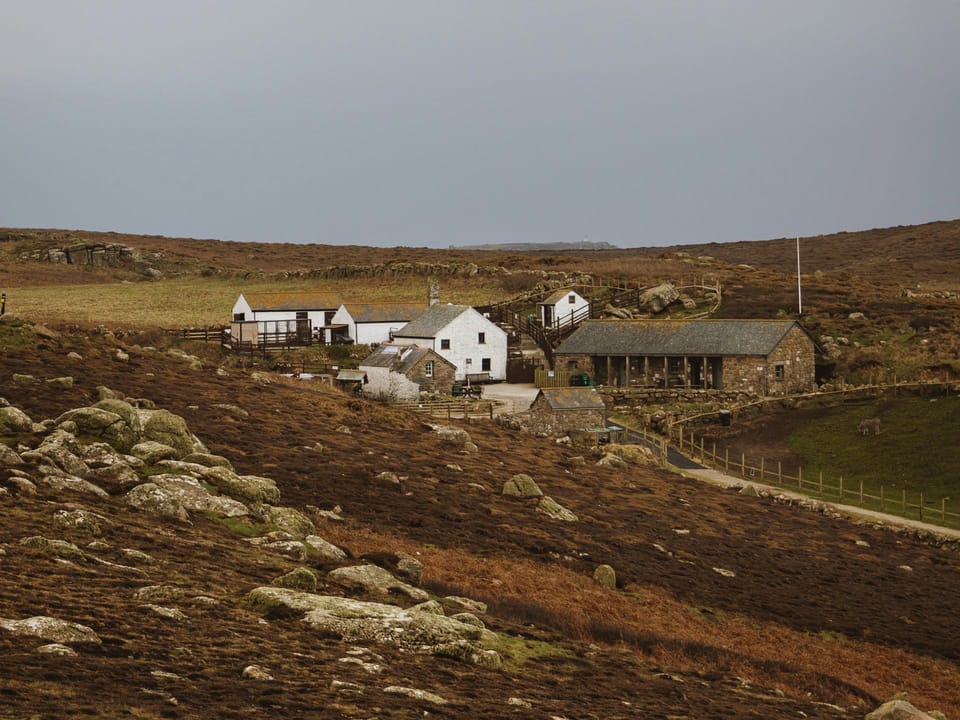
And then, through the mist, I saw it: a cluster of stone buildings so low and so weathered that they appeared to have grown from the earth itself. Their roofs were of slate, thick and dark, and their walls were the same grey granite that lay scattered across the moors.
The Longest-Running Family Home in Britain
Tregowan is not a grand house. It has no ballroom, no sweeping driveway, no heraldic crest. What it has is something rarer: an unbroken line of habitation that stretches back over 3,000 years.
"It's not just a house," says Elowen Tremayne, the current custodian, a woman whose face is weathered by the moorland winds and whose voice carries the quiet authority of someone who has spent a lifetime listening to the land. "It's a memory palace. Every stone, every field, every inch of this place carries the imprint of those who came before."
Archaeological surveys have revealed that the site has been continuously occupied since the Neolithic period. The original inhabitants were farmers, raising cattle and sheep on the wind-scoured slopes. The Romans passed nearby, the Saxons came, the Normans built their castles – and still, the Tremaynes (or whoever they were before names were written) remained.
"The first written record of the family is in the Domesday Book," Elowen tells me, leading me through a low doorway into a room where a fire crackles in a hearth that predates the Norman Conquest. "But we know we were here long before that. The DNA tells us – my brother had his tested. We're descended from the original Neolithic farmers who settled this land. It's not heritage; it's identity."
A Way of Life, Not a Museum
The temptation with such an ancient site is to turn it into a museum, to freeze it in time and display it for visitors. The Tremaynes have chosen the opposite path. Tregowan is not a museum; it is a working farm.
The Land
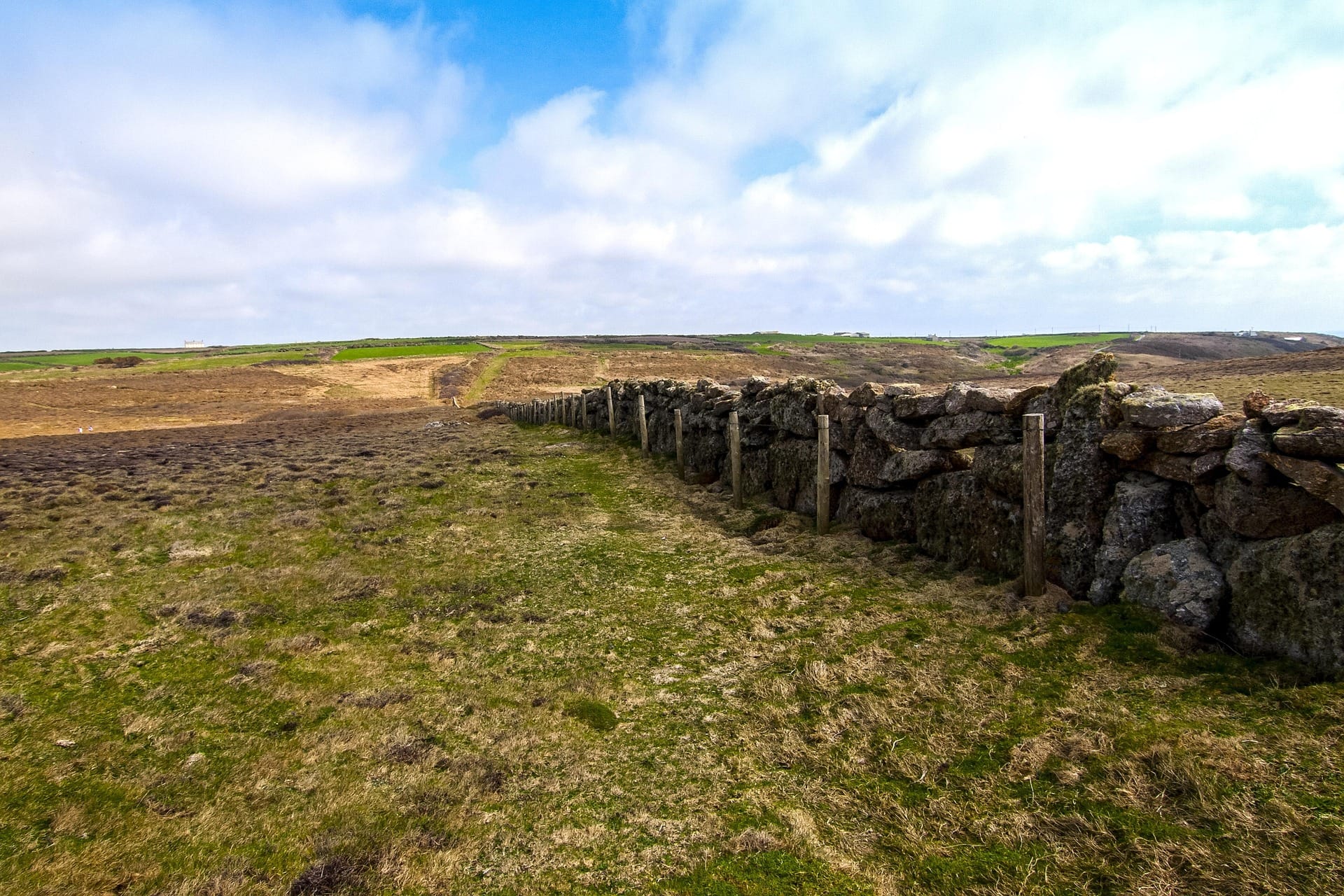
The farm has 120 acres of moorland, much of it rough grazing for a small herd of Dexter cattle and a flock of Hebridean sheep. The fields are ancient, laid out in patterns that predate the Romans, and the stone walls that criss-cross the landscape have been maintained using the same techniques for millennia.
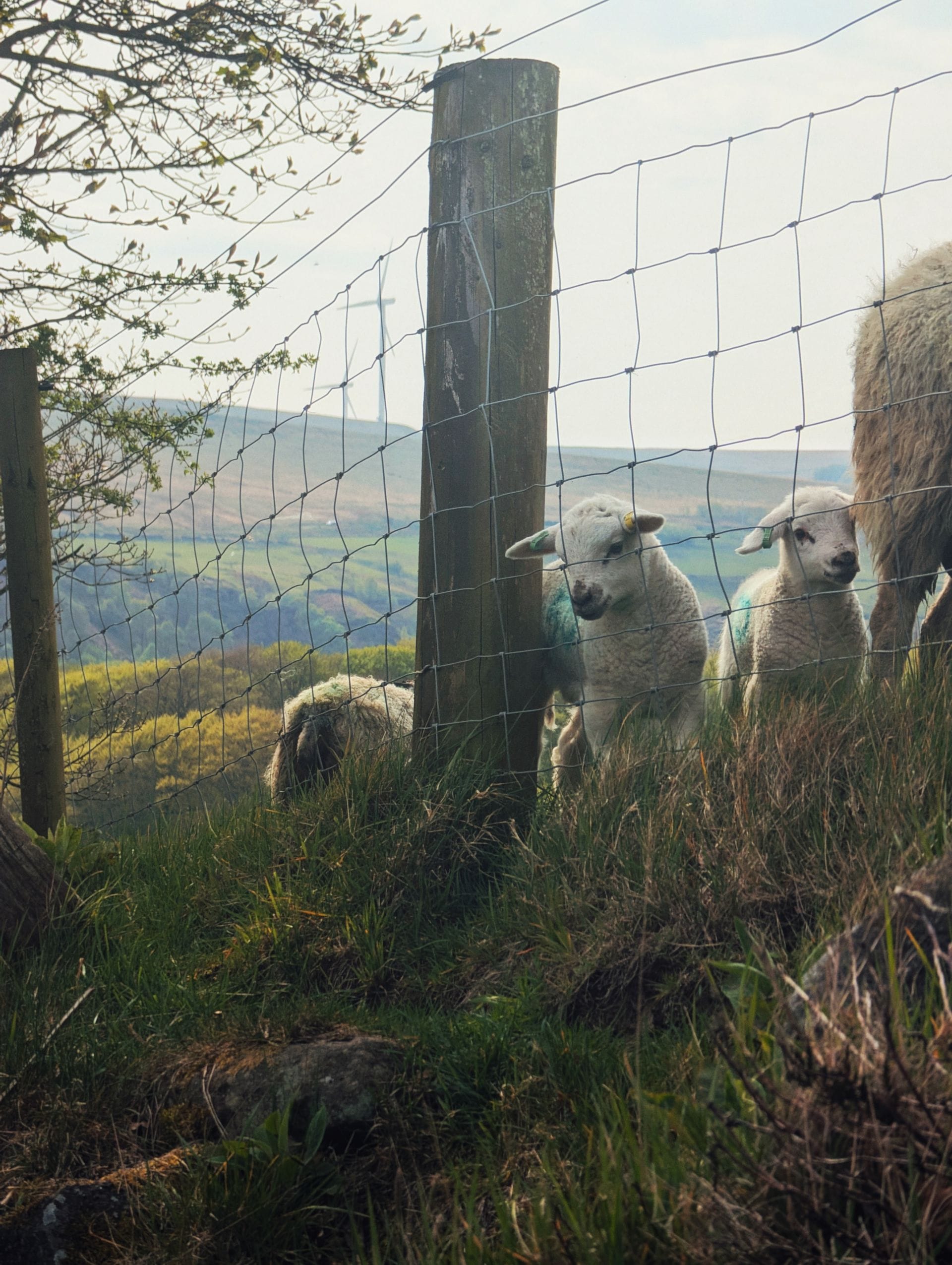
"Every year, the winter storms bring down some of the walls," says Elowen's brother, Mael, who manages the livestock. "We fix them the same way my grandfather fixed them, and his grandfather before him. No cement, no machinery. Just the local stone, placed with care. It's slow, and it's hard, but it's honest."
The Gardens
The kitchen garden, sheltered by a high stone wall, is a triumph of patient cultivation. Here, among the old varieties of vegetables and herbs, I find Rosa, Elowen's mother, a woman of eighty-three with hands that have known the soil for a lifetime.
"We don't grow for profit," she says, tucking a strand of silver hair beneath her headscarf. "We grow for the table, and we grow for the joy of it. There's a satisfaction in eating something you've raised with your own hands, something that's been in your family for generations."
She gestures towards a patch of ancient apple trees, their branches gnarled and heavy with fruit. "Those trees are three hundred years old, maybe more. The variety is Cornish Honeypot – you won't find it anywhere else. The first trees were brought here by a Tremayne who fought with the Royalists. He planted them to remember his wife, who died in childbirth while he was away. Every autumn, we pick those apples, and we make a cider. We've been doing it for three centuries. It's not a tradition; it's a rhythm."
The House
The house itself is a maze of low rooms and narrow passages, the result of centuries of incremental expansion. Each generation has added something – a room, a window, a staircase – but they have done so with reverence, never demolishing what came before.
"To knock down a wall here would be to knock down a memory," says Elowen. "So we work around. We adapt. A room that was once a cow byre is now a guest bedroom. A stable is now a library. We don't impose ourselves on the house; we listen to what it needs."
The Granary
The granary, a stone building separate from the main house, was converted in the 1970s into a studio for visiting artists and writers. It has no electricity – the light is from candles and oil lamps – and its windows look out over the moor, towards the distant curve of the sea.
"A painter came last autumn," Elowen recalls. "She was from London, and she said the silence here was so profound that it frightened her at first. She couldn't sleep. But by the third day, she said the silence was no longer a void – it was a presence, something she could draw upon. She painted the moor every day, in every light. She left with forty canvases."
The Philosophy: Time Is Not Linear
Perhaps the most extraordinary thing about Tregowan is its sense of time. There is no past and present here – only an unfolding continuum.
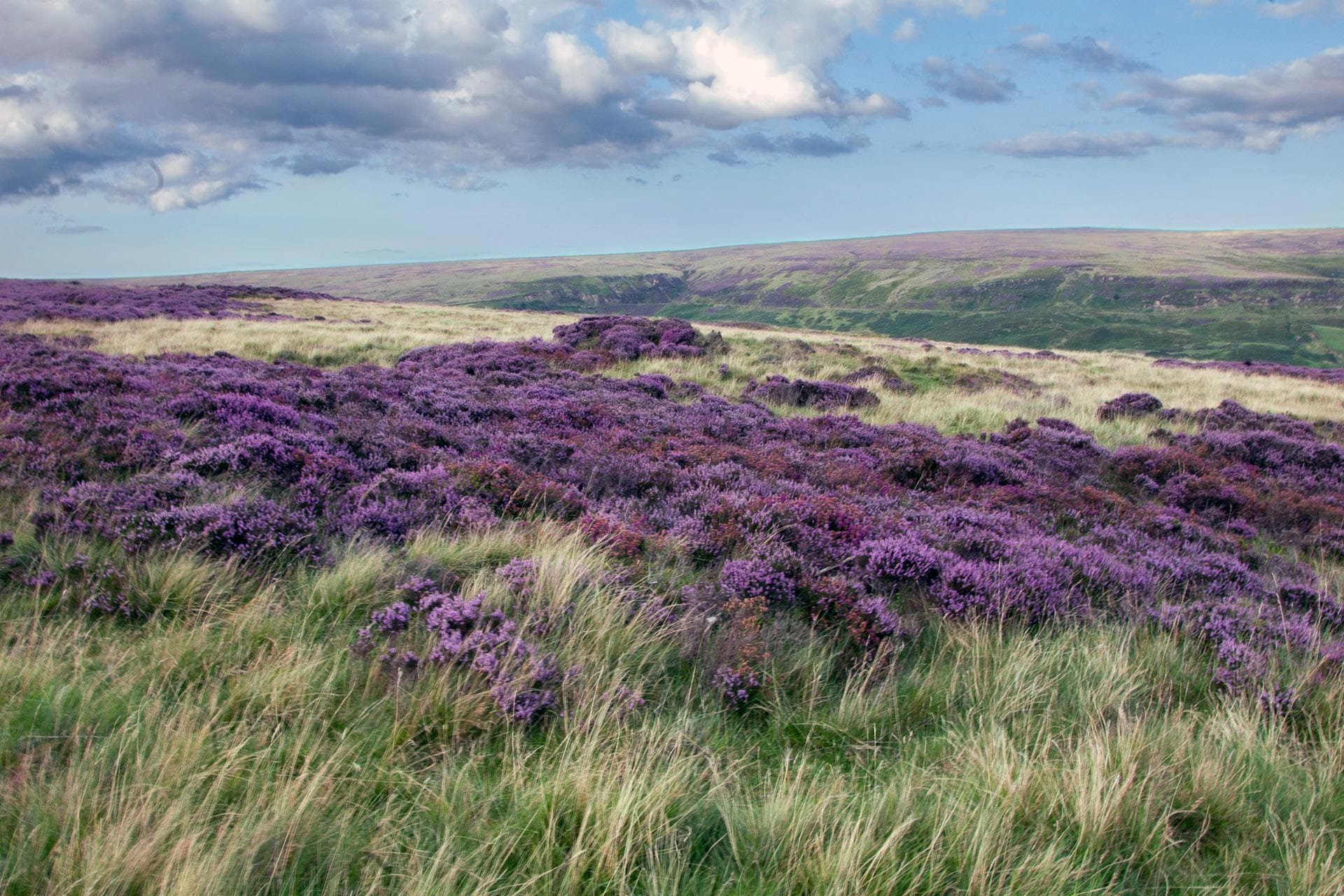
"When I walk this land," says Elowen, as we climb the hill above the farmstead, "I feel the presence of those who walked before me. It's not supernatural; it's simply… continuous. The same sky, the same wind, the same rhythm of the seasons. I touch the stones my ancestors touched. I see the same view they saw. In that sense, we are the same. The boundaries of time and self are only illusions."
"The land is not owned," she adds, "but held in trust. My ancestors understood that. They passed it on, not as property, but as a responsibility. As a gift, one generation to the next. We are not owners; we are guardians."
A Place of Waiting
As I prepare to leave, the mist rolls in from the moor, softening the edges of the landscape. Tregowan fades into the grey, its stone walls blending with the earth, its slate roofs melting into the sky. It is a place that does not shout for attention, that does not advertise its beauty. It simply waits, patient and enduring, for those who are ready to find it.
"People often ask what the future holds," says Elowen. "I tell them that the future will come, as it always has. The wind will still blow, the seasons will still turn, and this place will still stand. And as long as there is a Tremayne willing to tend it, Tregowan will continue, as it has for three thousand years – not as a relic, but as a living place, a breathing place, a place where the past is not behind us, but all around us."
I take one last look at the farmstead, half-lost in the mist. It is, I think, less a home than a conversation – an endless dialogue between the living and the dead, between stone and soil, between the sky and the sea. It offers no luxury, no spectacle, no escape. It offers something far more precious: the profound and humbling experience of being part of something much larger than oneself.
A Note for Visitors
For those wishing to experience Tregowan, the Tremayes open the granary to a handful of visitors each year, from April to October. There are no formal bookings – a letter, a phone call, an acknowledgement that the moor does not rush, and neither should you. The farmstead can accommodate no more than two guests at a time, and stays are a minimum of one week.
The address, like the experience itself, must be earned.